
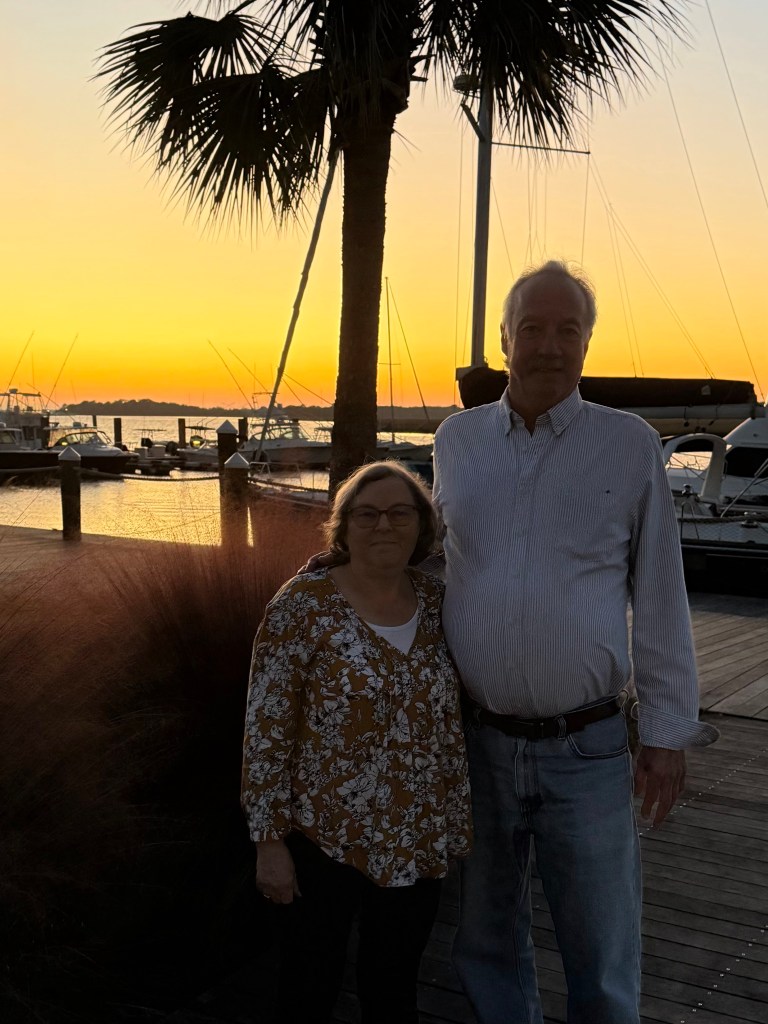
This November, I had the incredible opportunity to attend the Charleston Literary Festival, but it was so much more than just a trip for books and authors—it was a week of connection, creativity, and celebration. My husband, Scott, and I flew down to Charleston on November 5, and we stayed until the 12th. While it was sort of a birthday trip for Scott, the week became a personal retreat for me, blending the festival’s literary magic with the camaraderie of my writing group.
The Charleston Literary Festival is a boutique event held every November for ten days in Charleston, South Carolina. With its roots in the Charleston House in the UK—the historic home of the radical Bloomsbury Group—this festival seamlessly combines an international perspective with a deep commitment to Charleston’s local community. It celebrates literature in all its forms, offering thought-provoking discussions, readings, and events that honor the transformative power of stories and ideas.
Our Week: Writing, Bonding, and Exploring
One of my writing sprint friends, Sawyer, had invited members of our Daily Sprinter group to join her at her home on beautiful Seabrook Island. In the end, five writers and two husbands made the journey, staying in two charming houses just a couple of doors apart—one belonging to Sawyer and the other to her sister-in-law. Every morning, we woke early to get some writing done, and then the day was a mix of festival events, sightseeing, and meaningful conversations. In the afternoons or evenings, we shared our writing, offering and receiving feedback in a supportive, non-threatening environment. It was like a retreat designed just for us.

Festival Highlights
The festival’s offerings were as enriching as the company I kept. With its intimate venues and diverse lineup of speakers, the Charleston Literary Festival brought together internationally acclaimed authors, thought leaders, and emerging voices. Here’s a snapshot of the events we attended:
- Nov. 6: Chris Whitaker spoke about the process of writing his novel, All the Colors of the Dark. His journey—steeped in personal trauma—prompted a lively debate among our group about whether great writing demands a difficult past.
- Nov. 9: We watched Brooklyn, the poignant film adaptation of Colm Tóibín’s novel about a 1950s Irish immigrant in New York. Afterward, Tóibín discussed his sequel, Long Island.
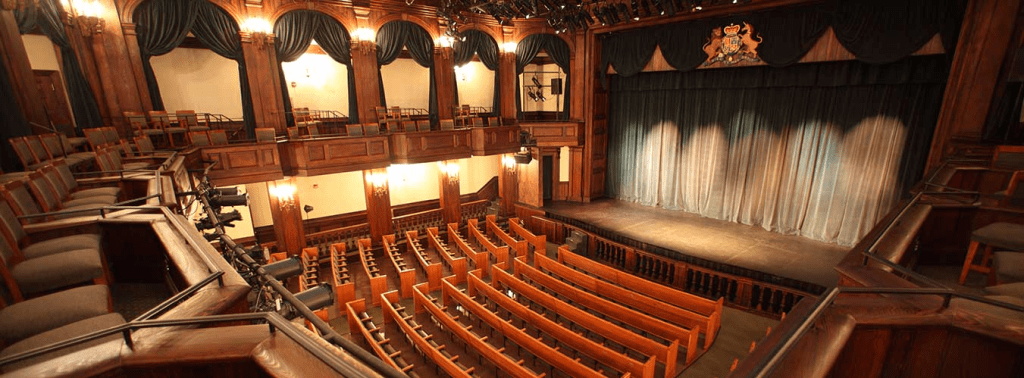
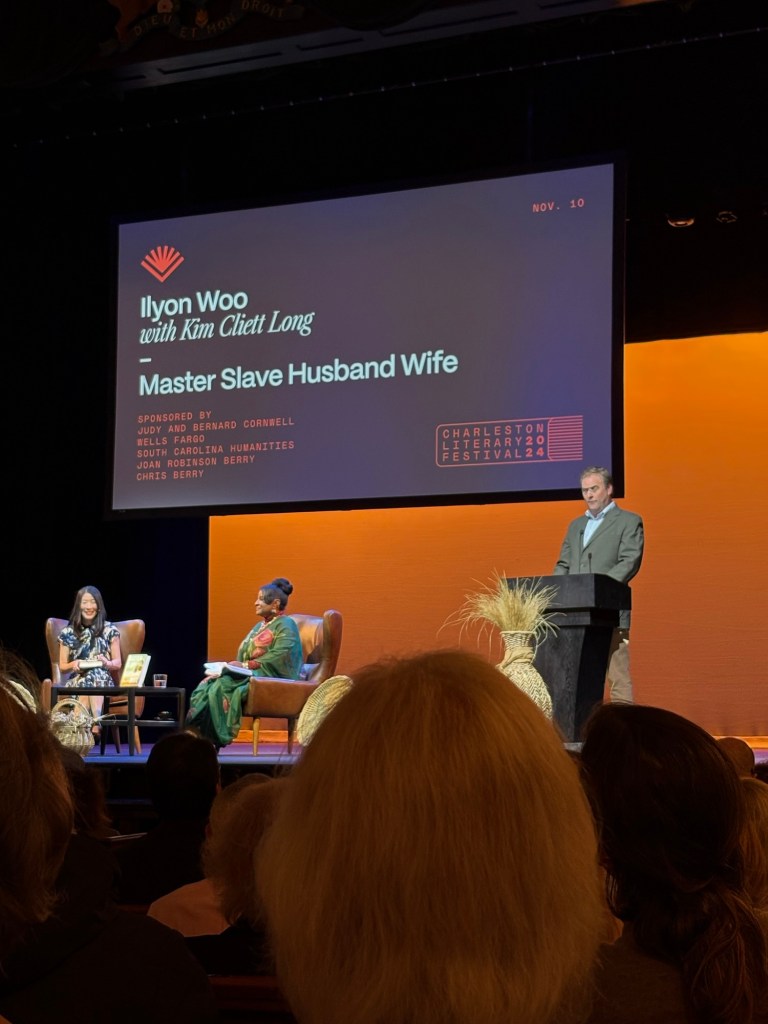
- Nov. 10: Ilyon Woo captivated us with the story behind Master Slave Husband Wife, recounting the daring escape of an enslaved couple masquerading as master and servant. Adding to the intrigue was the setting: the Dock Street Theatre, which had been a hotel in the 1800s, was a stop on their journey to freedom. To hear this history in the very place it unfolded was unforgettable.


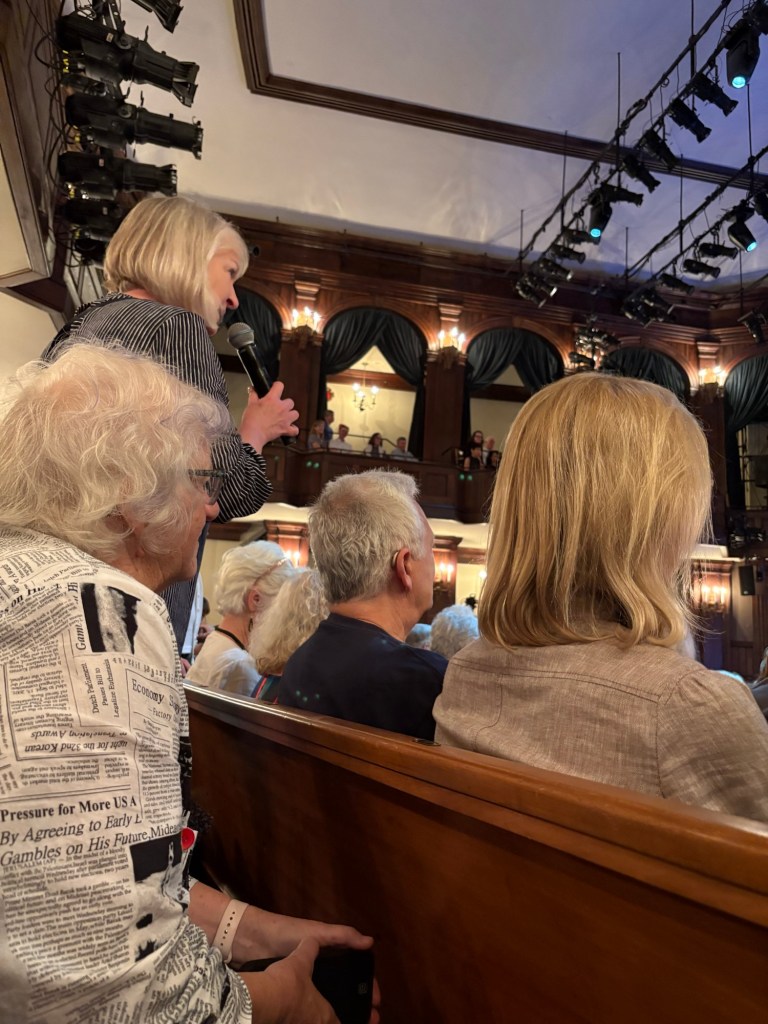
Sawyer and Patti also attended Griffin Dunne’s discussion of The Friday Afternoon Club. Though I missed it, they filled me in later—it sounded like a fascinating session about both his novel and his life.
Exploring Charleston and Beyond
When we weren’t immersed in festival events, we explored the charm and history of Charleston. Highlights included:
- A visit to Magnolia Plantation, where a train ride through the grounds offered a glimpse into the beauty and history of the Lowcountry.
- A carriage ride through Charleston’s cobblestone streets, complete with stories about the city’s rich past.
- A stroll through the Charleston City Market, where I was tempted by a beautiful pair of shoes (but practicality won out—they weren’t winter-friendly for Connecticut).
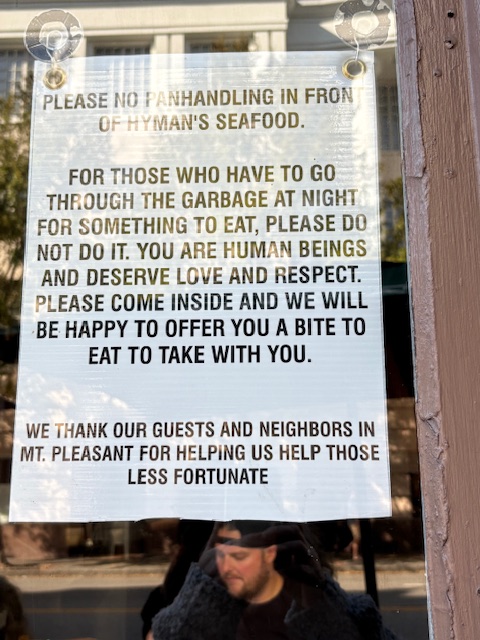
- An unforgettable meal at Hyman’s Seafood, voted the “Best Seafood in South Carolina.” The hospitality was as impressive as the food: when our server learned about our menu collection (we have 113!), not only did he bring us a menu, but the owner signed it for us.


Reflections on Connection and Creativity
This week wasn’t just about books or sightseeing—it was about the people. Sharing space with Sawyer, Patti, Marni, and Marion, writers I’ve mostly known through Zoom, was an incredible gift. It reminded me of how vital it is for writers to have a supportive, collaborative group. Writing is often a solitary pursuit, but communities like ours—where feedback is constructive, encouragement is abundant, and competition is absent—help creativity thrive.
The Charleston Literary Festival amplified this sense of connection. It’s more than a celebration of literature; it’s a celebration of how stories unite us, whether across the room or across the world. With its commitment to international perspectives and local roots, the festival reflects what I value most in writing and reading: the opportunity to connect, to learn, and to grow.
I’m endlessly grateful to Lynn Palermo of the Family History Writing Studio for creating the space where we all originally met and to Sawyer for bringing us together. This week left me inspired, grounded, and deeply appreciative of the power of shared experiences.
Have you ever taken part in a writer’s retreat or literary festival? I’d love to hear about your experiences in the comments!
 deborahsholman.com
Leave a comment