On the third day of our writing retreat in Ireland, Lynn Palermo asked us to reflect on the following questions:
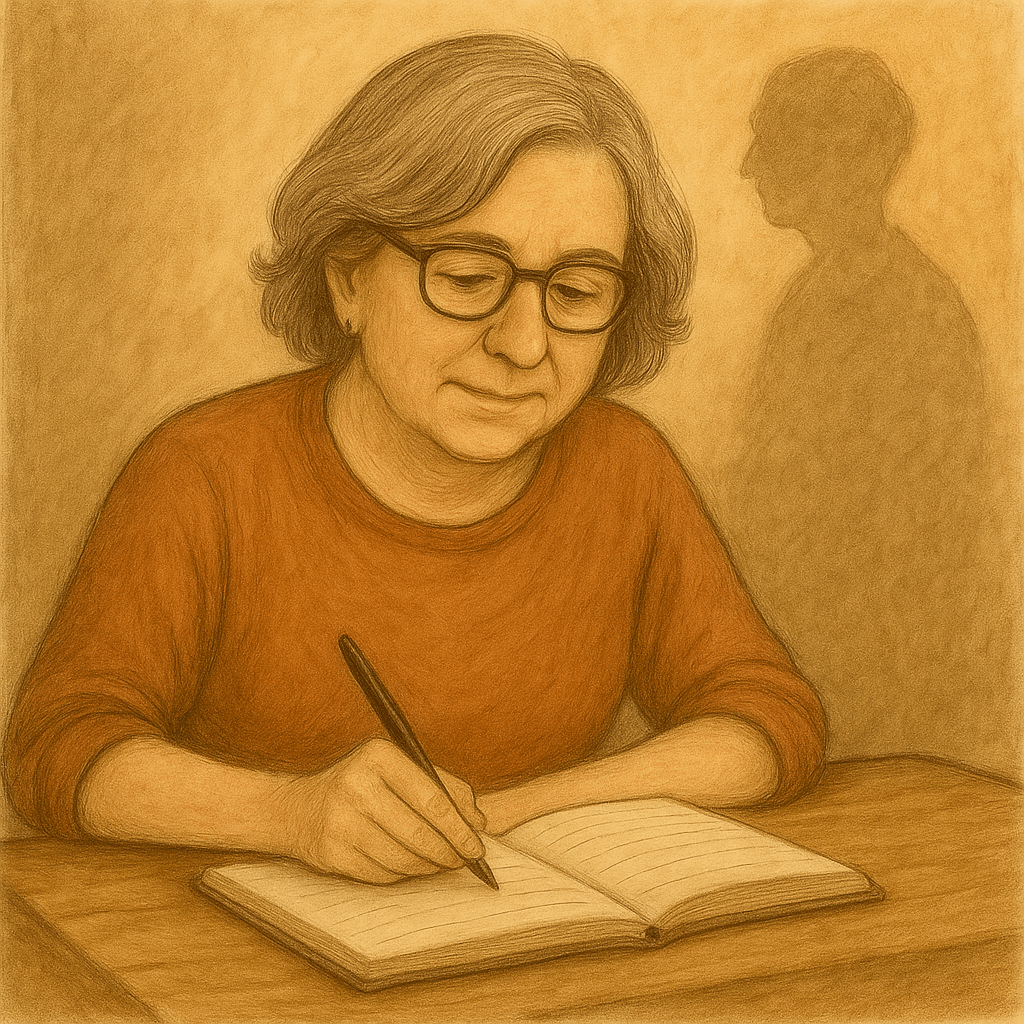
Think about the connections your story makes possible. What connections brought you to this story? Who are you hoping to connect with through your writing? How do you want that connection to shape the way you wrote today?
Around 2010, finding a note on an Ancestry message board stopped me cold. The details felt oddly familiar—threads of a woman’s life I had heard only in fragments. Once I dug deeper, I realized I had stumbled onto information my husband Scott’s family had never heard. I didn’t pause to consider how it might affect them; I just blurted it out. That moment—where genealogical research bridged past and present, and family history became personal history—was the doorway into Catherine’s story.
Now that I’ve gotten to “know” Catherine, I want to share her with a wider world. She was a woman who refused to let society’s norms keep her from what she wanted. Catherine is a complicated figure. At first glance, she might seem like a crazy old lady—narcissistic, maybe even a little mentally ill. But as I peeled back the layers, I kept asking: what lies beneath? Strength? Desire? Independence? Or perhaps true mental illness?
I’d like to think her story teaches us to look beyond appearances. While completing my reflection response at the retreat, I wrote that sentence—and it struck me. That’s exactly what I did with my students, and often with people in my life. Outwardly, my students displayed behaviors society rejects: rage, withdrawal, obstinacy, and more.
But like Catherine, those behaviors were clues. Signals pointing to what was missing. When the emptiness was filled, when the need was met, life began to improve.
I will never fully know what drove Catherine to commit her crimes, just as we can’t always know what motivates the people around us. But we shouldn’t blindly accept actions at face value; there’s nearly always a deeper story waiting to be uncovered.

So who do I hope to connect with through my writing? With anyone who has ever been quick to judge, or dismissed a “black sheep” in their family or community. I want Catherine’s story to spark reflection, empathy, and maybe even recognition.
And how has that shaped the way I write today? It’s made me look closer, dig deeper, and resist the easy labels. I don’t want to present Catherine—or any character—as flat figures defined only by their flaws. I want to capture the complexity that makes them human.
Perhaps that’s why I’m drawn to the “black sheep” characters. They don’t give up their truths easily. They make you dig, they make you wonder. And sometimes, if you’re patient enough, what you find isn’t madness at all, but the very qualities that make a person unforgettable.
 deborahsholman.com
Leave a comment